Institutions, Research
ID
Petrohradská Kolektiv
Type
Date
Since 2015
There is a peculiar logic to the fact that postindustrial buildings, once filled with the noise of machinery, have become places where artists listen for silence and record its remnants. This is precisely what happened in Prague, in the Vršovice district, where in November 2018 Polish artists Ewa and Jacek Doroszenko took up residence at Petrohradská Kolektiv — an initiative whose home is a building with a long and layered history.
The building, erected in 1903, originally served as a mill and bakery run by the couple Hedvika and Karel Müller. By the end of the 1930s it underwent a major reconstruction and became a chocolate goods factory for the brand Korda and Co. Historically, the last occupant of the building was an assembly workshop of the Plants for Industrial Automation. The layers of these successive functions remain embedded in the fabric of the structure — in the shape of its windows, the height of its ceilings, the layout of its spaces. Although the building is currently earmarked for demolition, since 2015 it has been used by the collective as a centre for cultural events and a platform for contemporary art.
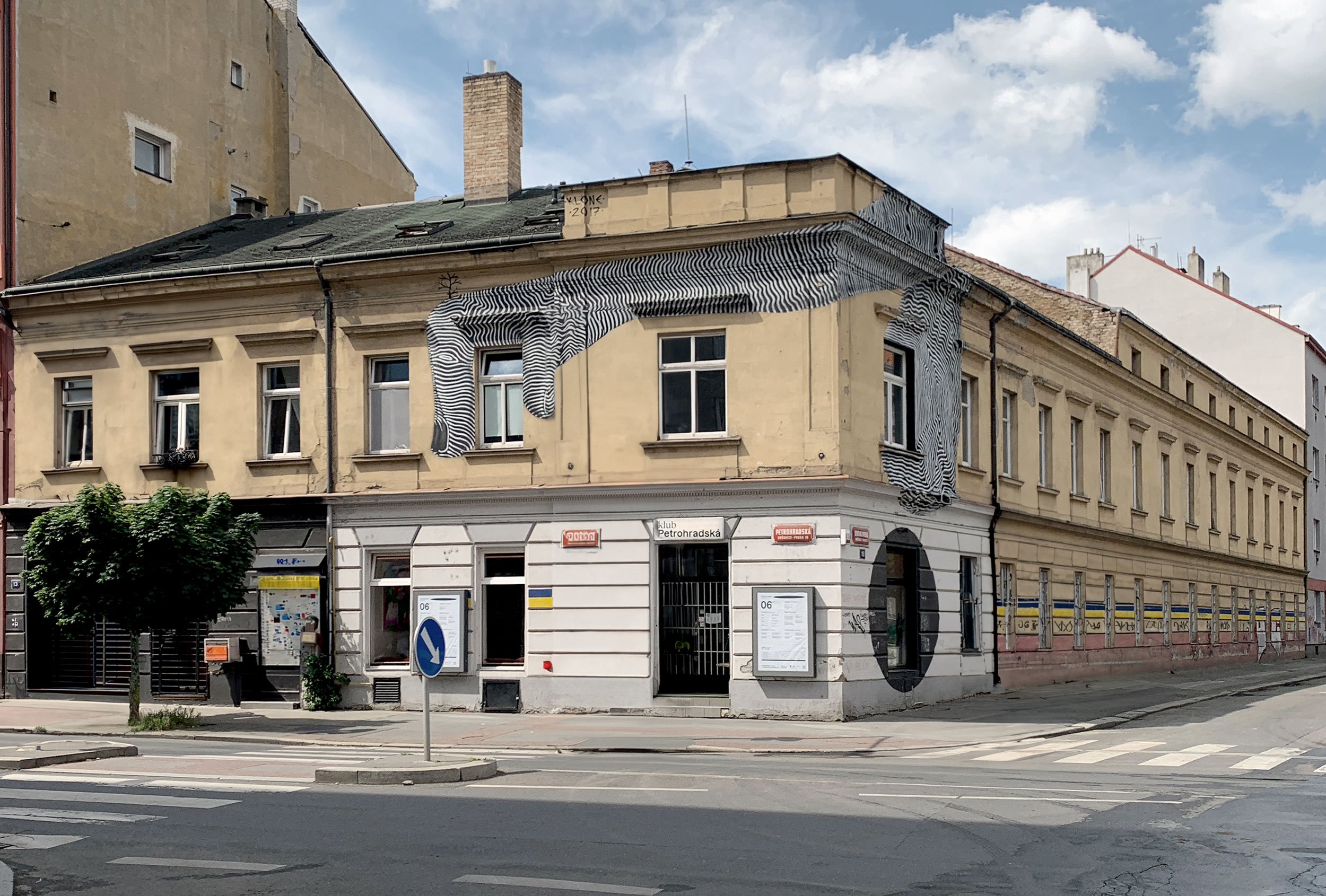
ph. Petrohradská Kolektiv Press materials
Petrohradská Kolektiv was founded in 2015 by Edita Štrajtová and Daniel Konopáč as a studio complex for artists, designers and creatives from related disciplines.
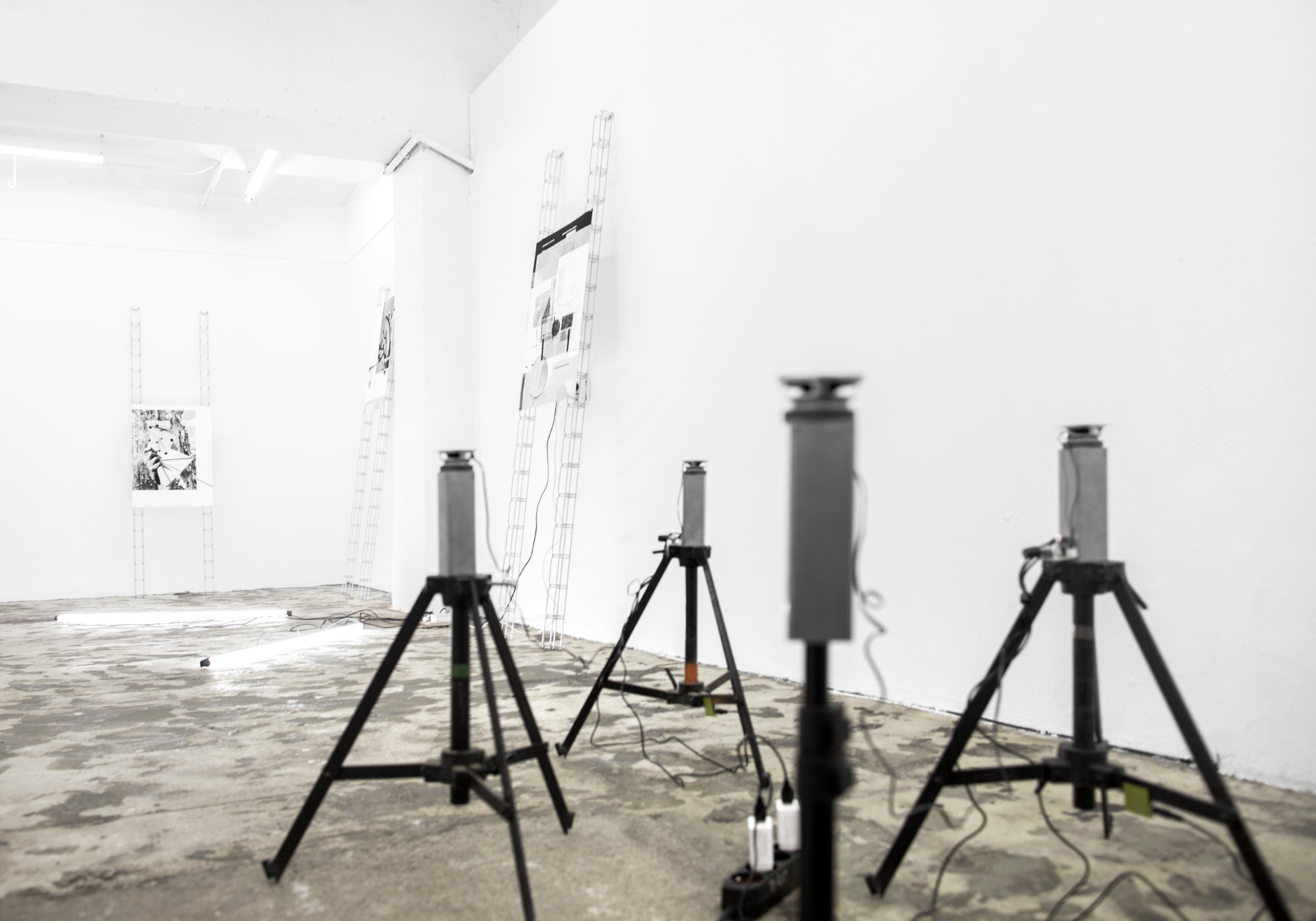
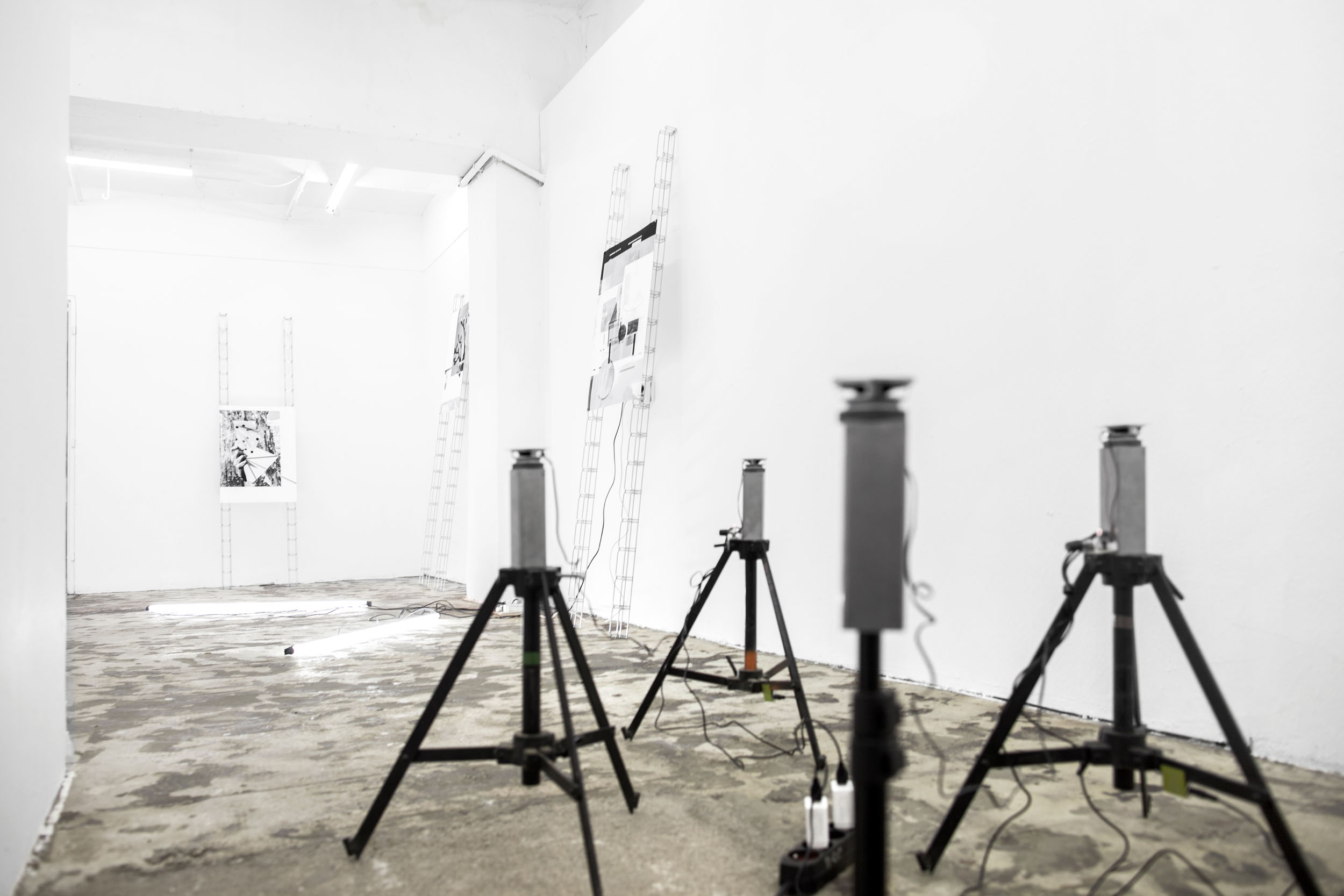
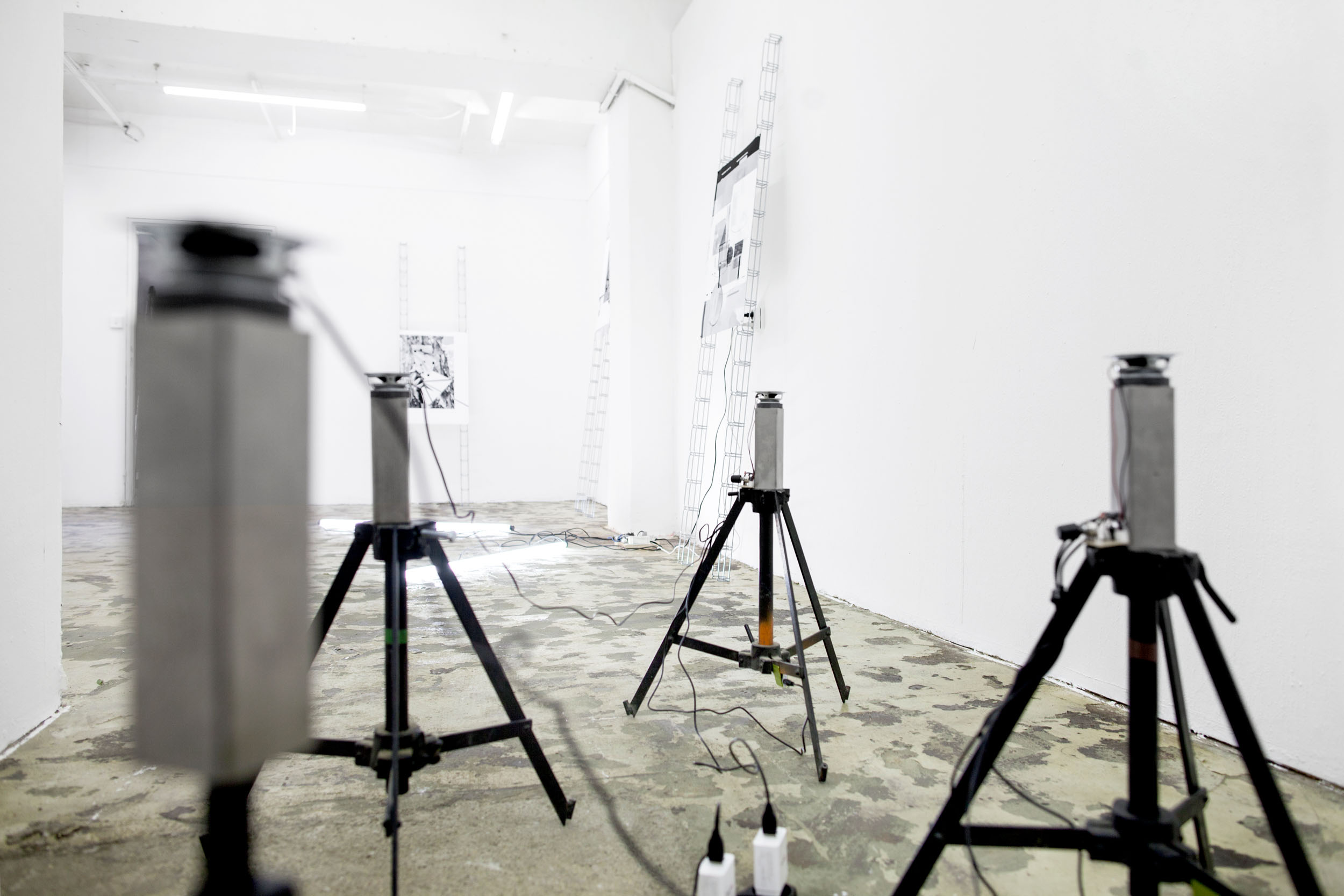
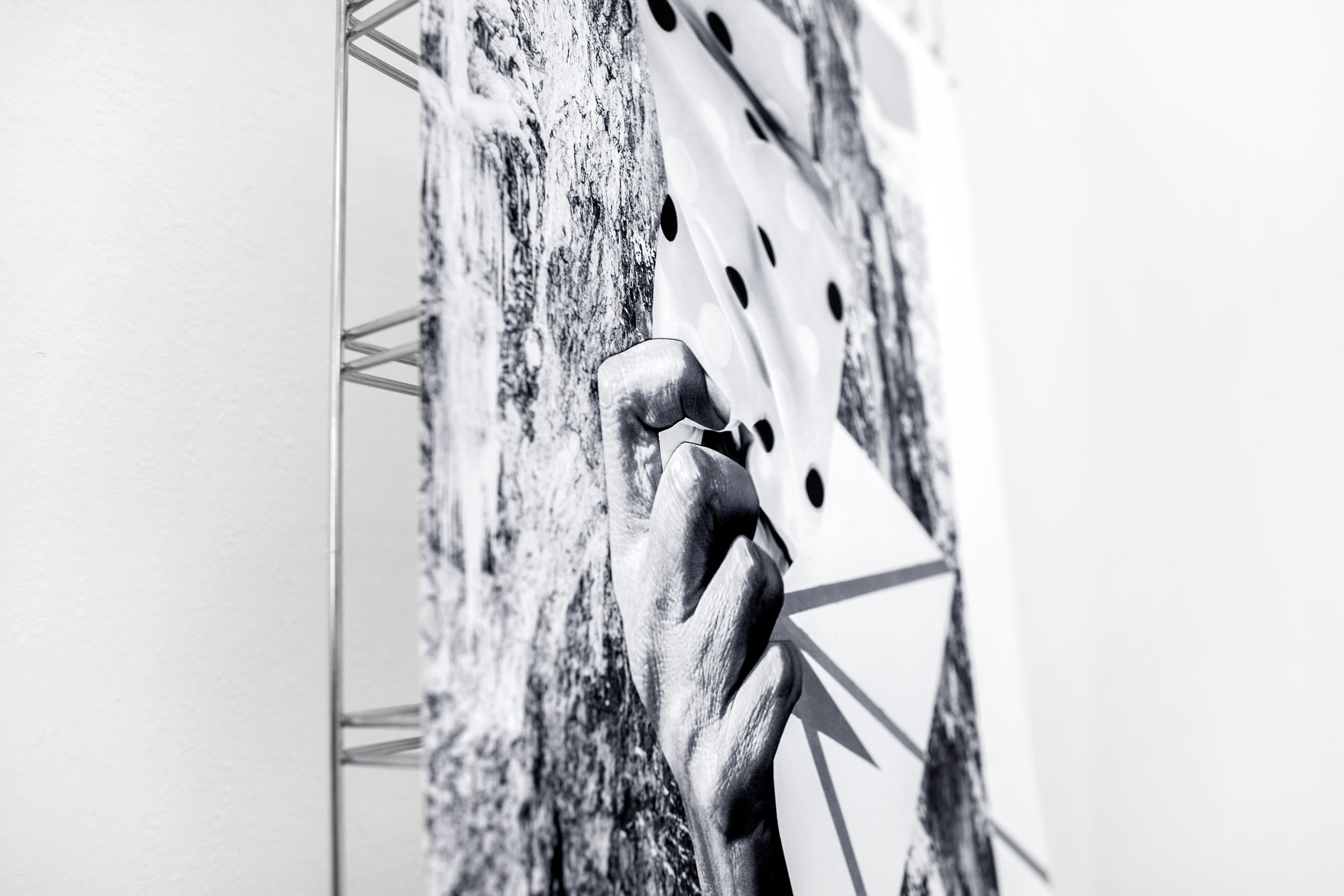
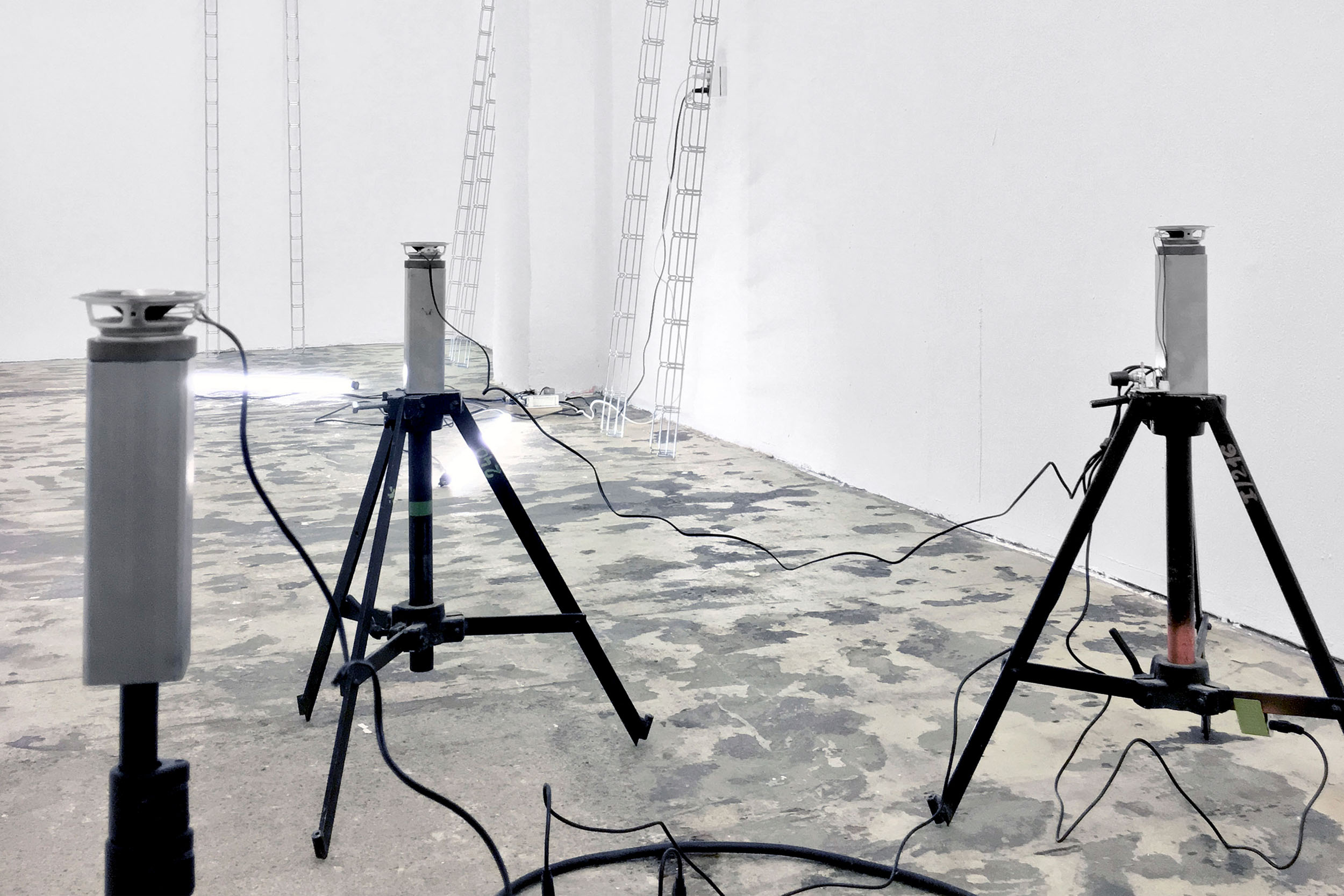
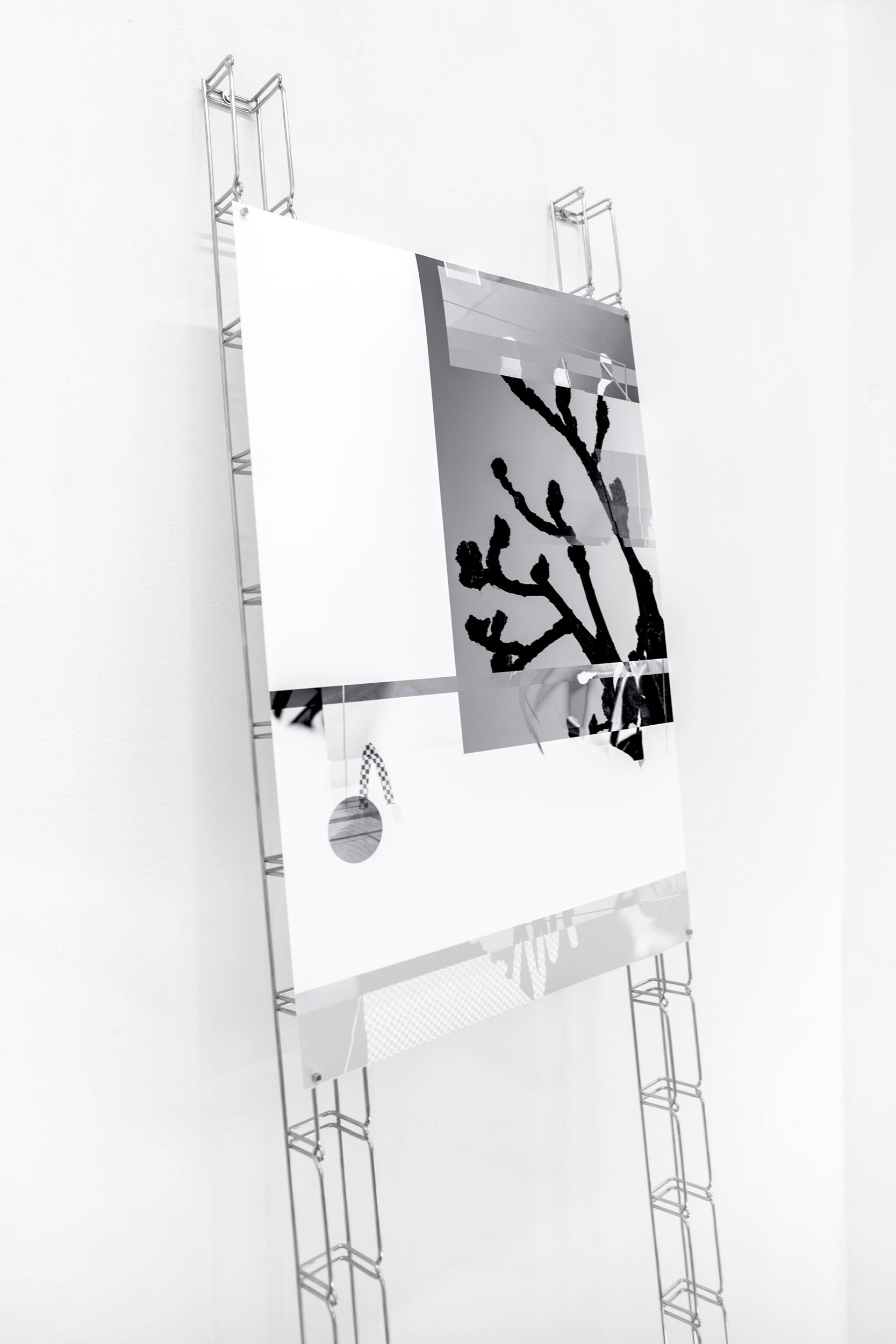
Soundreaming exhibition, Ewa Doroszenko and Jacek Doroszenko, Jedna Dva Tří Gallery, Petrohradská Kolektiv, 2018
Over the years, the project grew into a multi-genre platform for both domestic and international collaboration, encompassing the Jedna Dva Tří Gallery, Kino Petrohradská cinema, a community club, a photography studio, a recording studio, and facilities for international artist residencies.
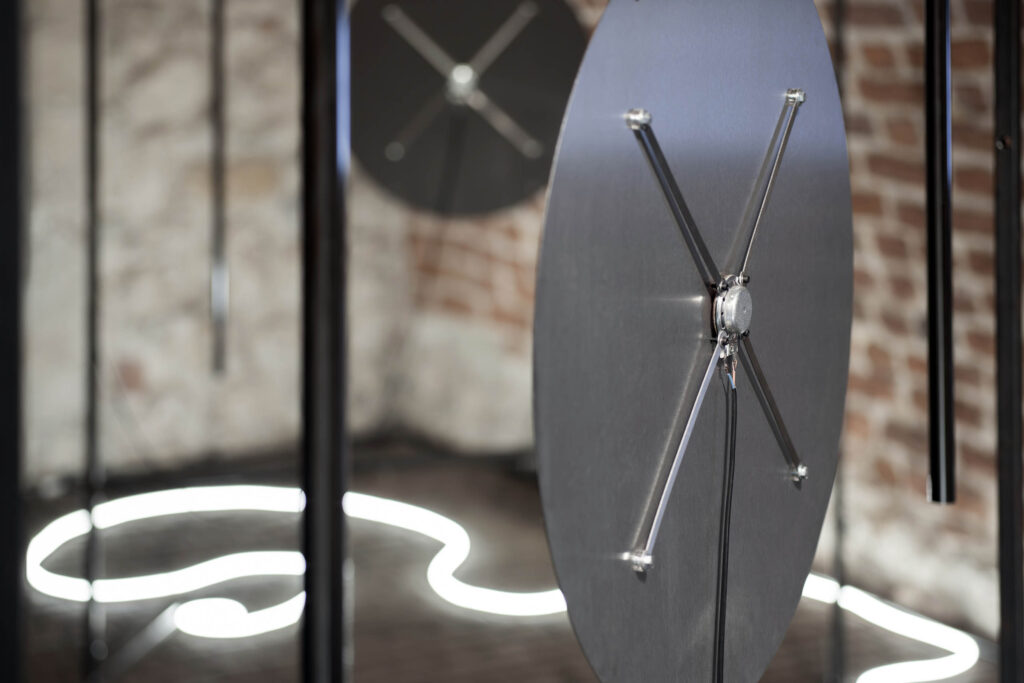
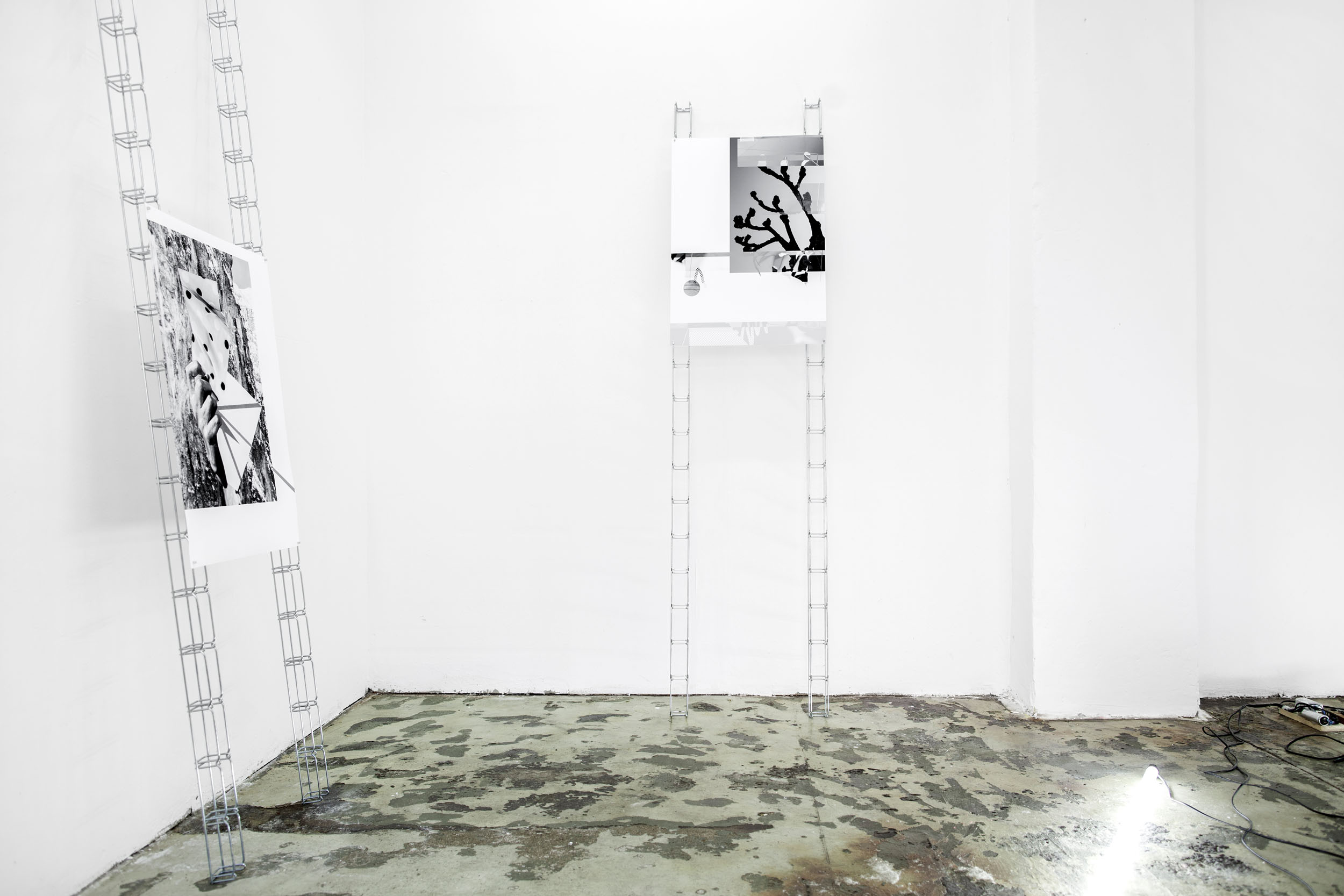
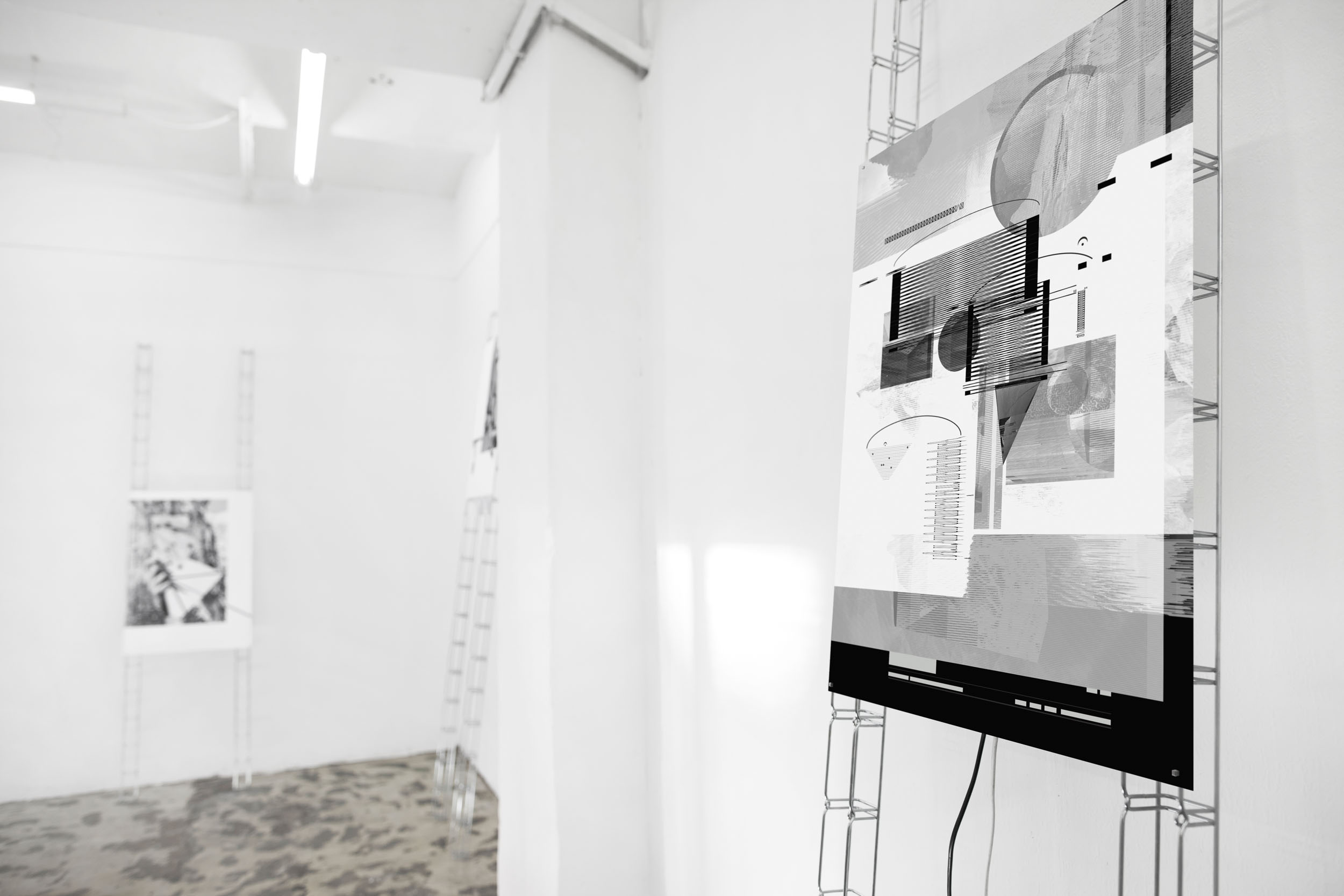
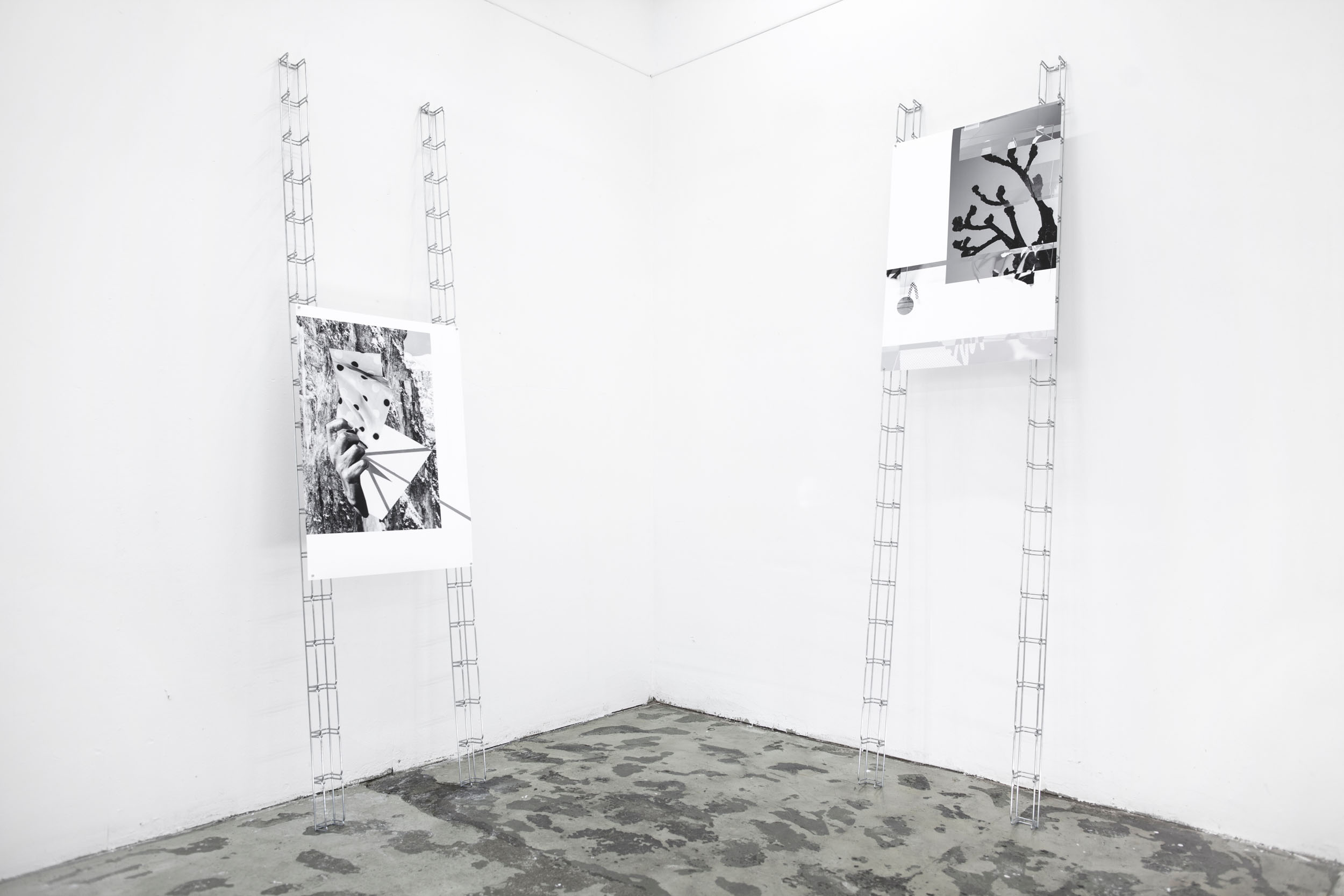
It was into this post-industrial space that Ewa and Jacek Doroszenko arrived with their project Soundreaming, a cycle begun in 2014 and carried out through artist-in-residence programmes in various European cities, including Prague, Barcelona and Linz. The project is a digital audio-visual archive that draws its inspiration directly from the surrounding environment. Motivated by location, experience and memory, it inverts the traditional roles of photography and sound: soundscapes replace photography as the dominant documentary element, while the visual representation is derived directly from the acoustic recording of a given place.
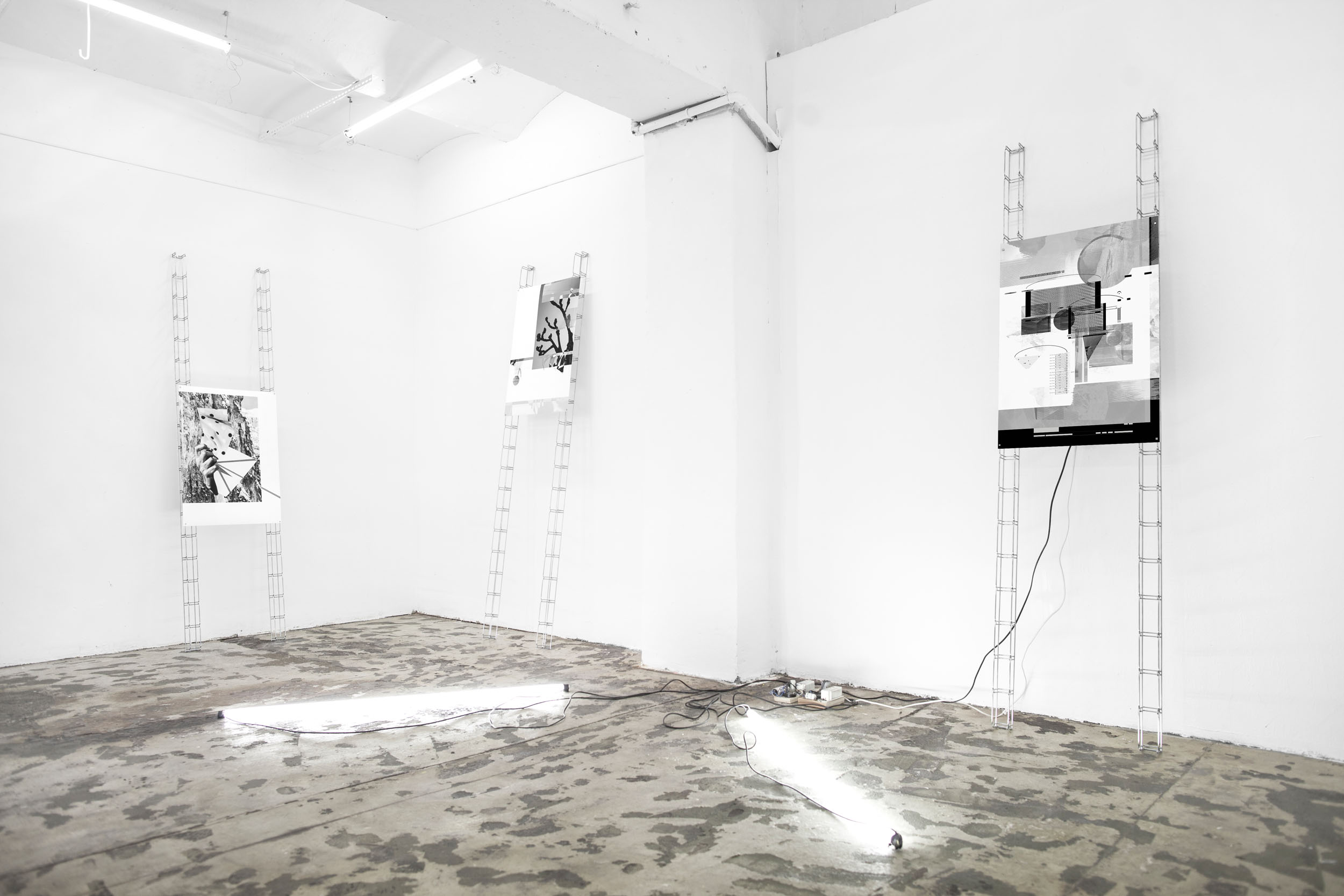
Soundreaming exhibition, Ewa Doroszenko and Jacek Doroszenko, Jedna Dva Tří Gallery, Petrohradská Kolektiv, 2018
The story of Petrohradská Kolektiv exemplifies a practice that European cities are pursuing with increasing awareness: rather than demolishing post-industrial structures, filling them with new life — residencies, exhibitions, cinemas, studios. Such places offer something beyond alternative cultural infrastructure: they carry the weight of history, which becomes both context and inspiration. In the case of Doroszenko, that weight was literally audible. While awaiting its inevitable demolition, the building on Petrohradská Street endures, sheltering artists and their questions. Doroszenko listened to its walls. And they recorded what they heard.
EXPLORE MORE
LIBRARY